Tell Mozan / Urkesh
Our home base, our laboratory and our proof of concept: the ancient Hurrian capital where community engagement has been part of the excavation from the very first season.
- Direction
- Directorate-General of Antiquities and Museums (DGAM) & IIMAS
- Location
- North-eastern Syria, near Qamishli
- Ancient name
- Urkesh, a capital of the Hurrians
- Our presence
- Continuous — through every year of the conflict
A city of the third millennium BC
Four and a half thousand years ago Urkesh was one of the great cities of the Near East: seat of Hurrian kings, home to a monumental temple terrace that dominated the plain, and to a royal palace whose walls still stand to shoulder height. The myths of the Hurrians placed their primeval gods right here.
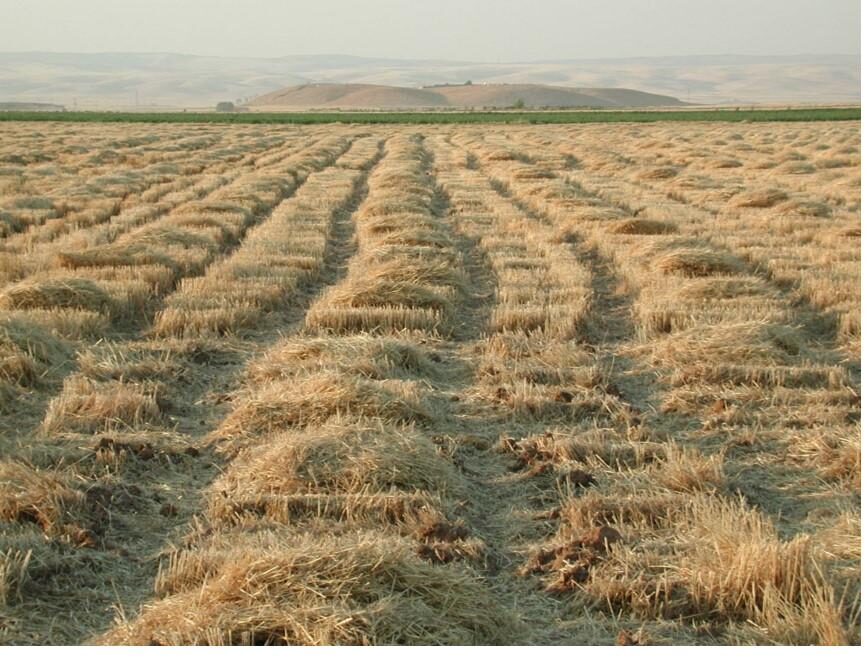
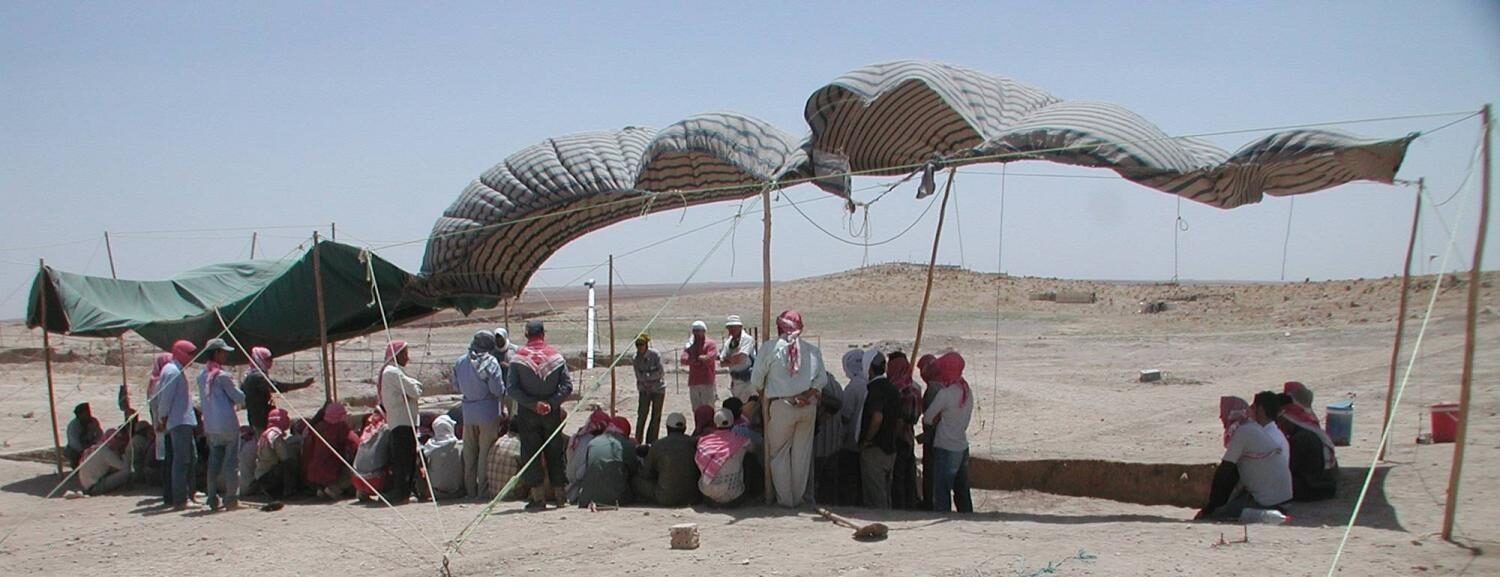
The site that never closed
When war made fieldwork impossible for foreign teams, our local staff kept working. Walls were re-covered each season, panels were repaired, visitors kept coming. Tell Mozan became the only foreign archaeological project in Syria to remain continuously active through the conflict — preserving and maintaining the site, and continuing its communication and education work without interruption — and a model studied far beyond it.
Renewing the site's voice
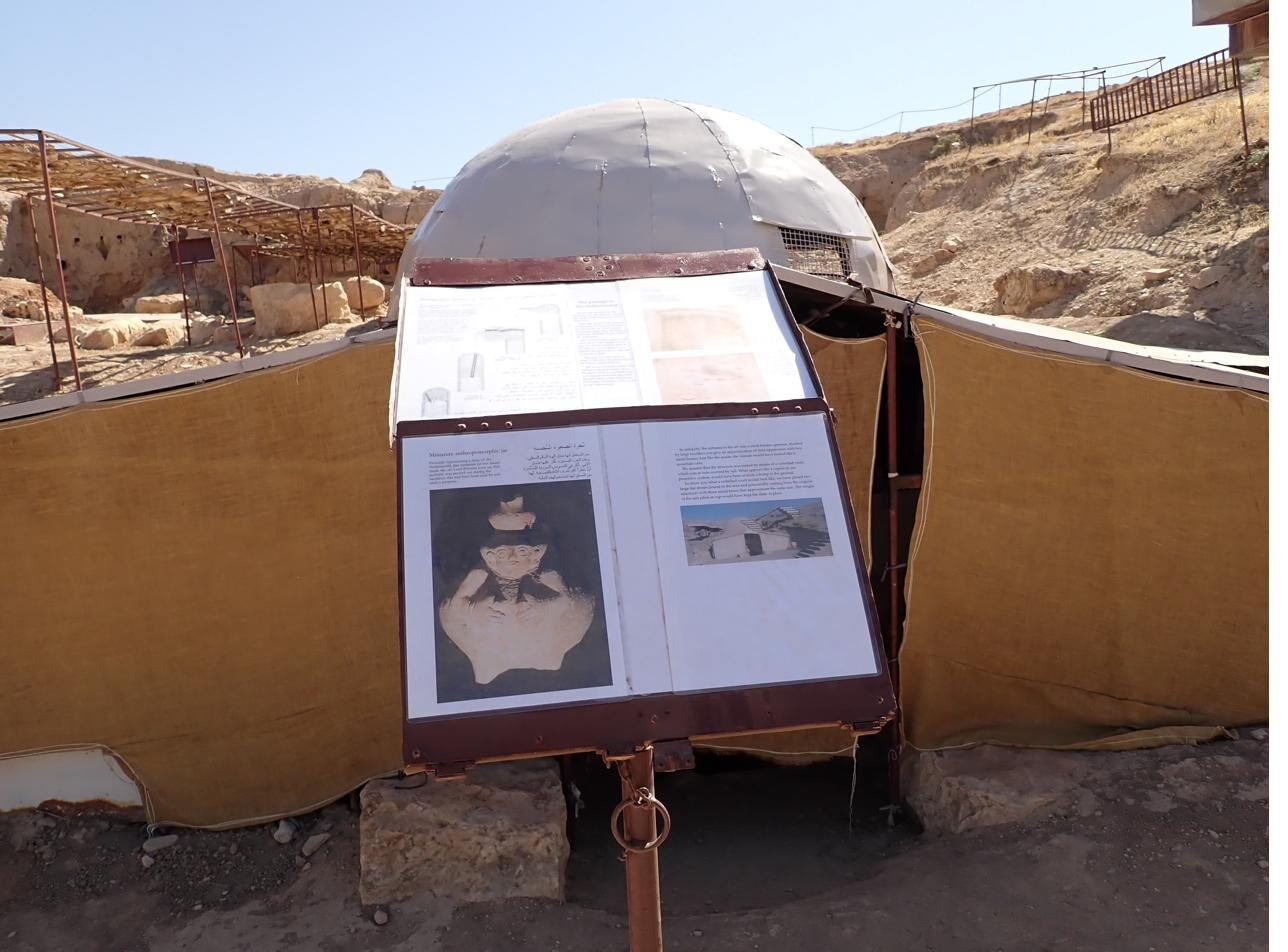
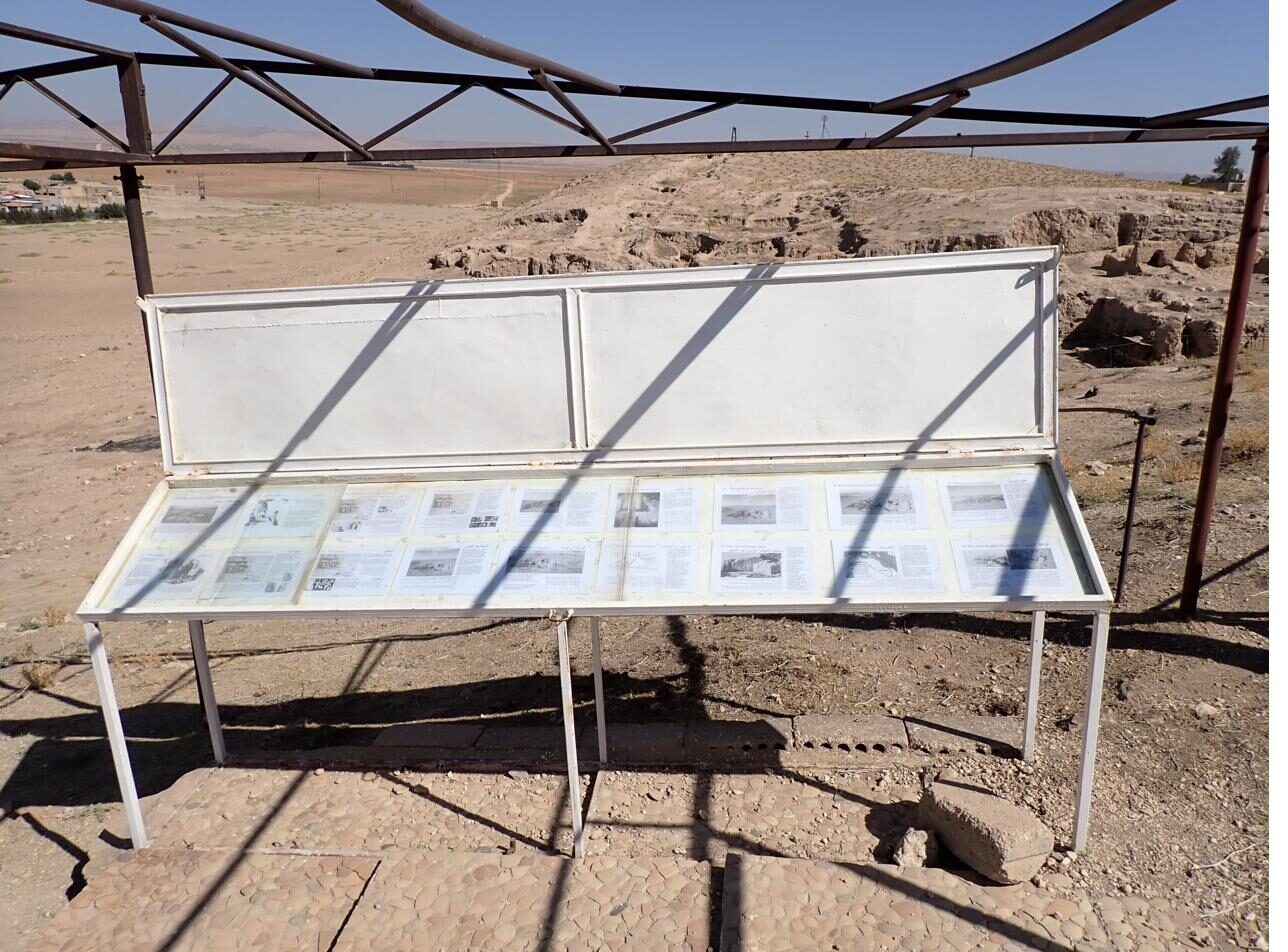
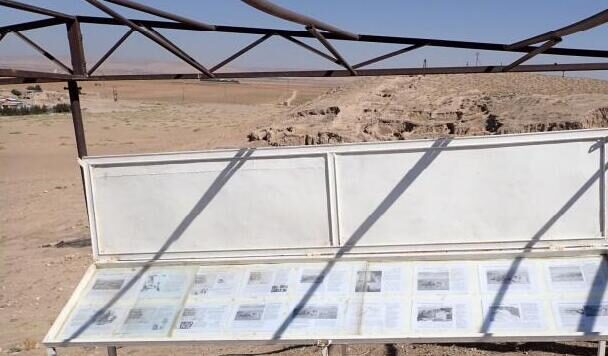
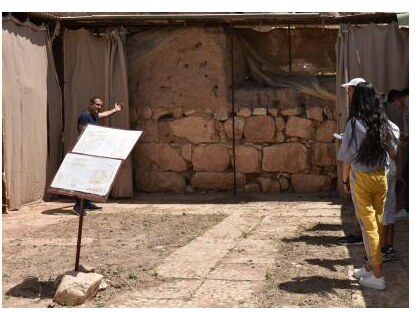
The site speaks to its visitors through 'Panorama' stations that overlook whole excavation areas and 'Footnote' panels that explain the ground at your feet. We have just renewed them all: texts reprinted, metal stands repaired and repainted, broken glass replaced — so that the story stays legible for the next generation of visitors.
Conservation with the community
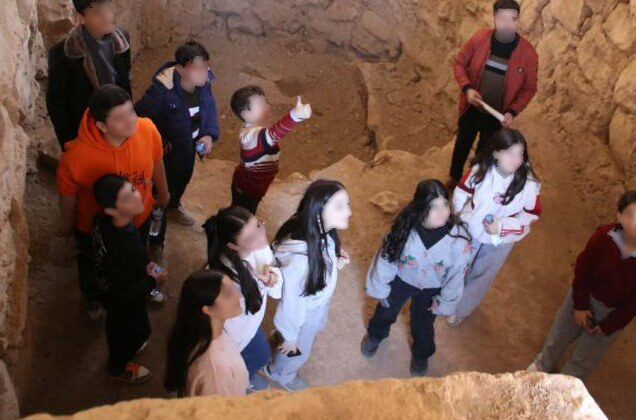
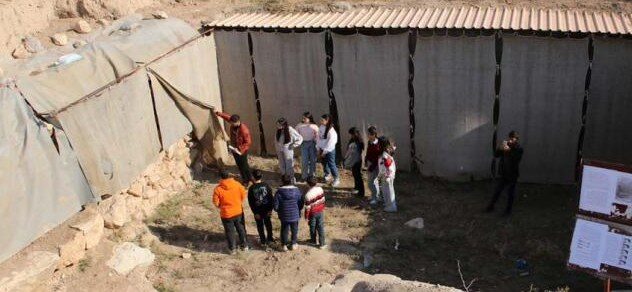
The palace's mudbrick walls are protected by covers that are renewed regularly with local materials and local hands — a technique developed here and now cited internationally. Maintenance is not a chore around the archaeology: it is community engagement in its most concrete form.
Gallery