What We Do
Our work is organized in six modules — a flexible toolkit that can be adapted to any site, any community and any scale.
In one sentence: we unite exploring the past with community engagement, education, conservation, interpretation, and digital communication in a single approach.
1
Conservation as Communication
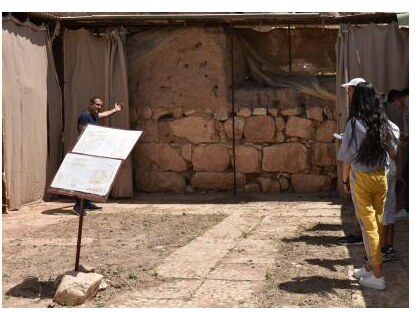
Conservation is not only about safeguarding walls; it is a channel of communication with the past. We conserve so that visitors perceive the volumes and spaces of ancient rooms, using ancient techniques and local materials. Maintenance becomes a recurring community activity, turning residents into custodians of their own heritage.
2
On-Site Communication
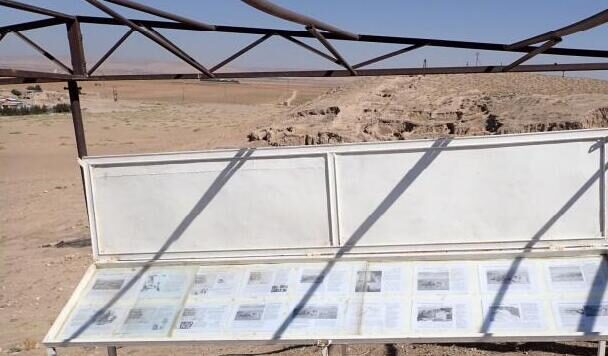
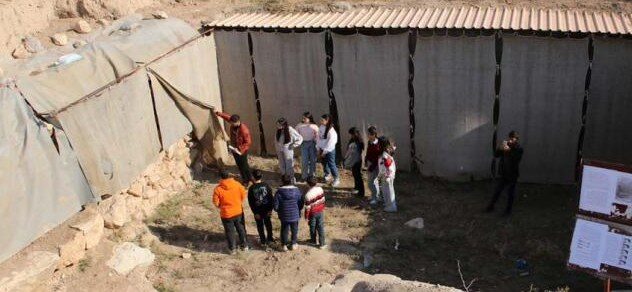
We treat the site as a book. A curated walking path unfolds like a narrative: 'Panorama' stations offer sweeping overviews, while 'Footnote' panels explain the very ground beneath your feet. QR codes add audio and layered content, keeping every visit personal, flexible and fully accessible.
3
Community Engagement
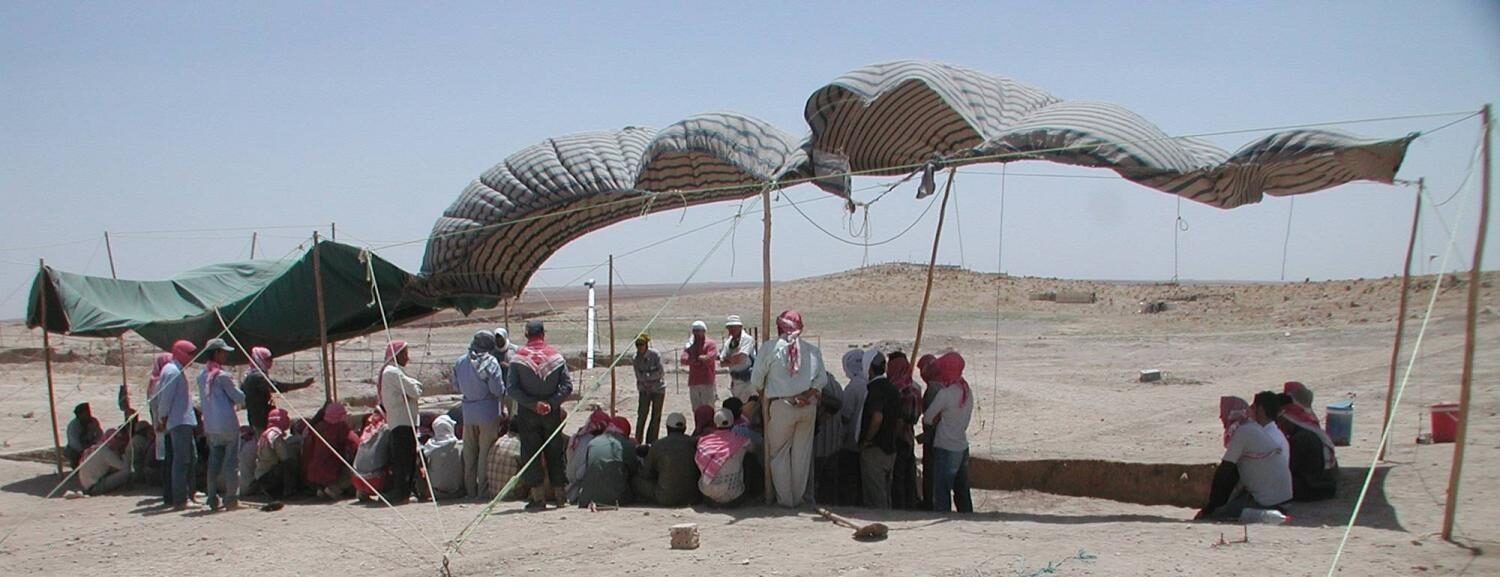
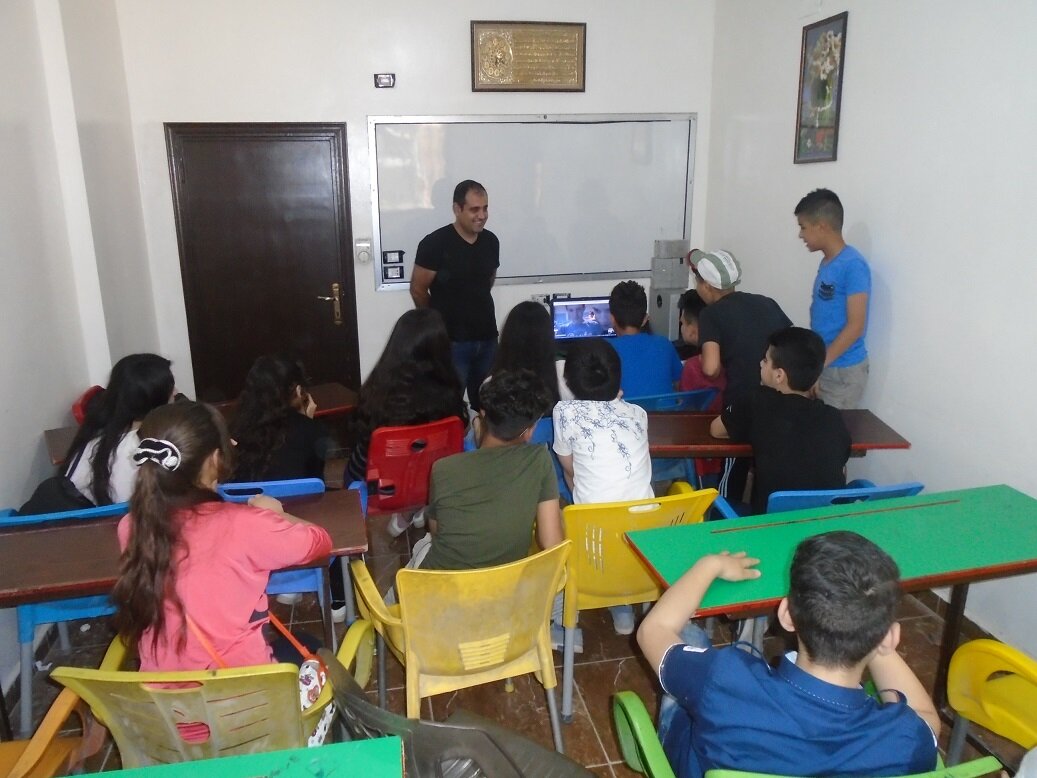
We go to communities rather than waiting for them to come to us. Lectures, workshops, school talks, flyers and poster exhibits — always in the local language and always with local partners — build the pride that is a site's best long-term protection.
4
Schools Project
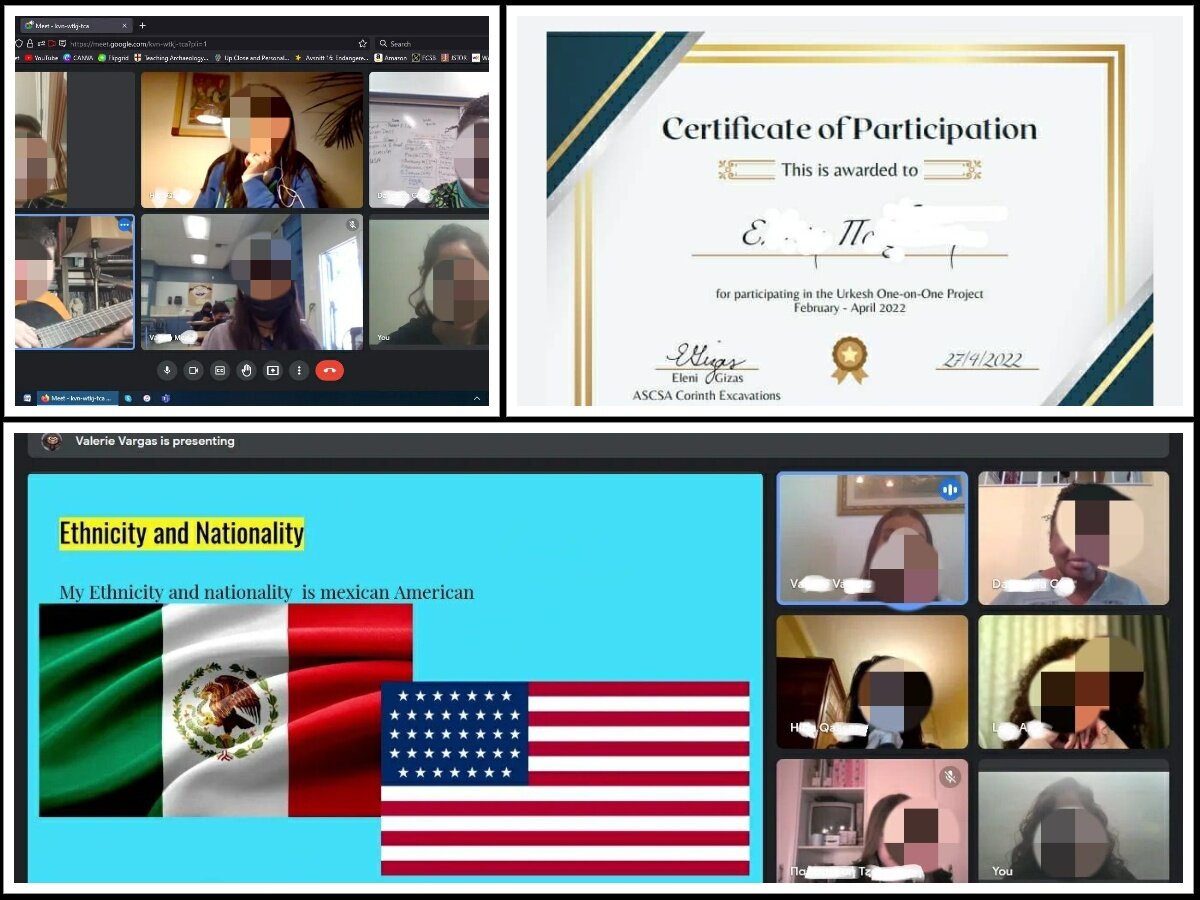
Our award-winning exchange pairs classes living near archaeological sites with peers abroad. Over two to three months students prepare and present their own heritage to one another, meeting online and becoming ambassadors of the places they call home.
5
Digital Communication
Multilingual websites, social media, platforms such as ArchaeoTrail, and immersive VR and AR reconstructions bring our sites to global audiences — with layers of depth for the curious novice and the seasoned scholar alike.
6
Site as a Cultural Location
Ancient places make extraordinary modern venues. We carefully open archaeological sites to concerts, ceremonies and cultural events, so that they become living parts of contemporary community life rather than fenced-off relics.
Why our approach matters
True local partnership
Decisions are made with the people who live beside a site, not merely announced to them. That is why our projects endure through crises that end others.
Sustainability — cultural and economic
We are scholars and communicators, but economic sustainability is a fundamental part of our goals: a well-kept, well-told site creates local employment and, over time, attracts visitors — so caring for heritage also strengthens the livelihoods around it.
Public access
Everything we conserve is conserved to be seen, walked and understood — on site, in schools and online — never locked away for specialists alone.
International cooperation
Every project joins institutions across borders — antiquities departments, universities, schools, foundations — building scientific and human ties that outlast any single excavation.
General Coordination
Behind the six modules stands the quiet work that makes them possible: initial site evaluations, day-to-day administration, and thorough reporting to partners and donors. Coordination is the thread that weaves the modules together and guarantees transparency, accountability and continuity.